
Poor crowd management can lead to injuries and fatalities. Every major incident – from music festivals to transport hubs – traces back to failures in planning, communication, or response. This guide covers what effective crowd management looks like in practice, how to build a plan that works, and what it takes to keep people safe when large groups gather.
Key Takeaways
- Crowd management is proactive planning and supervision of large groups; crowd control is reactive intervention when situations turn unsafe.
- A crowd management plan must cover crowd density limits, safe egress, escape routes, communication protocols, and emergency response procedures to prevent crowd disasters.
- Crowd disasters occur when density exceeds 4 to 5 persons per m² – a threshold that demands constant monitoring.
- Trained crowd managers, real-time monitoring tools, and clear signage play a critical role in ensuring crowd safety at concert venues, sports stadiums, festivals, and transport hubs.
- Proper planning minimizes disruptions, reduces risk, and enhances the guest experience.
What Is Crowd Management (and Why It Matters in 2026)?
Crowd management is the systematic planning and supervision of large gatherings to ensure safety, comfort, and smooth movement. It covers everything from venue layout and staffing to communication and emergency procedures – all designed before the first attendee arrives.
The distinction matters. Crowd management is proactive; crowd control is reactive. For instance, at the 2024 Paris Olympics, organisers staggered entry and deployed trained staff at arrival gates – that is crowd management. When police form lines to disperse an unruly protest, that is crowd control.
Effective crowd management is essential across different types of public spaces: sports stadiums, concert venues, shopping areas during sales, religious gatherings, festivals, and political rallies. Key objectives of crowd management include minimizing risks and accidents at every stage.
The consequences of failure are severe. The Love Parade disaster in 2010 killed 21 people. Astroworld Festival in 2021 left 10 dead. The Itaewon Halloween crowd crush in 2022 claimed at least 153 lives. Each tragedy involved overlapping failures in planning, capacity, and communication.
Modern crowd management integrates event planning, crowd behavior science, fire safety, event security, and emergency services coordination. Most attendees are unfamiliar with layouts and exits, so the responsibilities for safety rest squarely with event organizers, venue operators, and designated crowd managers. Effective crowd management ensures safety at large events and enhances the guest experience by reducing congestion.
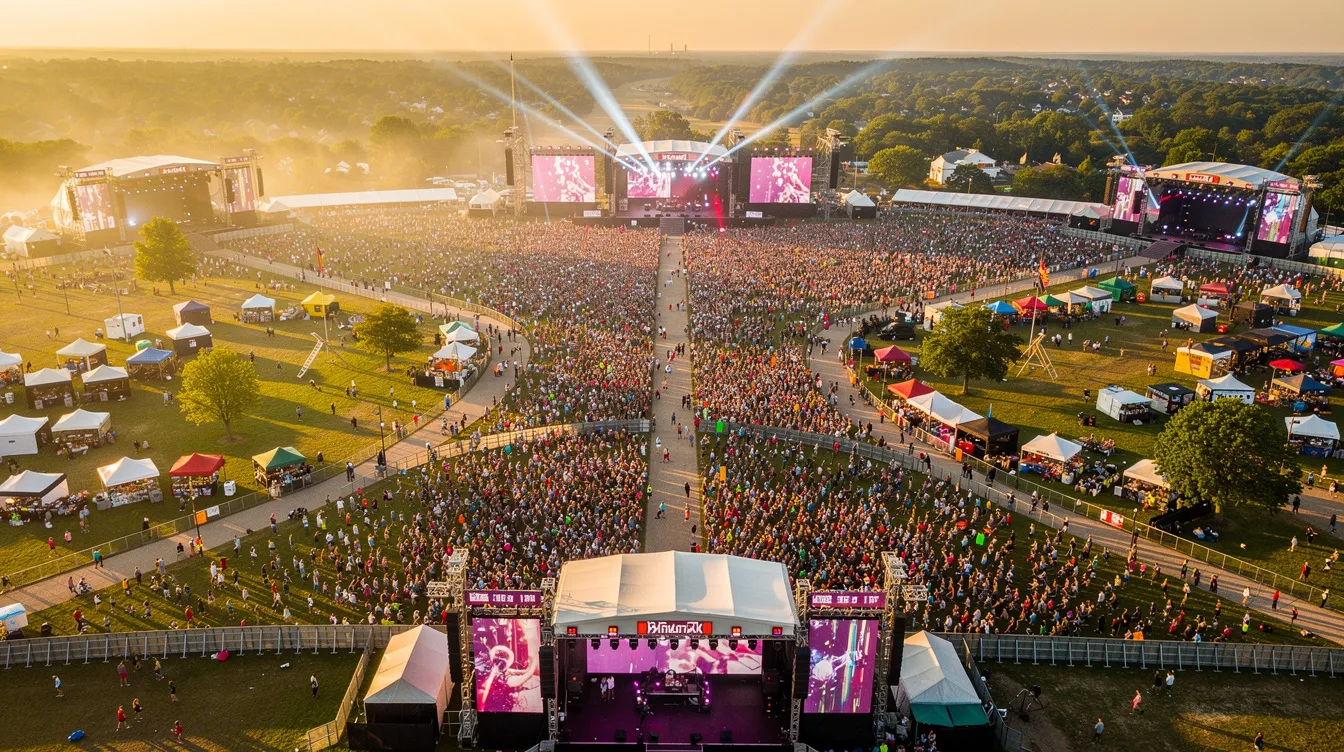
Crowd Management vs. Crowd Control and Event Risk Management
These terms are often confused, but they serve fundamentally different functions. Crowd management refers to proactive measures: deciding how many people a venue can hold, designing flow routes, setting entry points and timing, and establishing communication plans – all before gates open.
Crowd control refers to tactical measures responding to disruptive behavior. It enforces order during unsafe crowd behavior – halting a performance, closing gates, or deploying stewards and police lines. It is what happens when the plan is overwhelmed or absent.
Both sit within broader event risk management, which also addresses weather conditions, structural safety, food hygiene, medical provision, and cyber risks around e-ticketing. Crowd safety is one component of this wider picture.
Consider a sold-out football match in May 2026. Event risk management secures structural permits and medical facilities. Crowd management handles ingress, egress, and flow. Crowd control steps in only if a surge or disorder occurs. Focusing only on control – without strong management and risk assessment – dramatically increases the likelihood of crowd disasters.
Understanding Crowd Dynamics, Types, and Density
Managing crowds effectively requires understanding how people behave in groups. Different types of crowds carry different risks:
- Seated spectators at sporting events are relatively stable, but risk builds during ingress and egress
- Standing concert crowds are dynamic, often alcohol-fuelled, and susceptible to surges
- Queueing crowds require organization to prevent delays at entry points, toilet facilities, and sanitary facilities
- Passing-through commuter crowds move constantly, making navigation challenging
- Passive crowds can create congestion in common areas like food courts and shopping areas
Excited crowds can become unpredictable without proper management. Fear and frustration spread rapidly through large groups, and crowd dynamics such as movement towards attractors – stages, exits, merchandise stalls – create bottlenecks in confined space.
Crowd density is measured in people per square metre. At 1–2 per m², movement is comfortable. At 3–4 per m², it becomes constrained. Dense crowds pose risks of overcrowding and safety hazards. Above approximately 4–5 per m², individuals lose control of their own movement, pressure waves form, and crowd disasters can unfold within minutes.
Modern tools help. AI video analytics can provide crowd density measurements in real time. High-definition CCTV surveillance aids in monitoring crowd movement, and drones can provide live overviews of crowd buildup across large venues.
Building an Effective Crowd Management Plan
Every sizable event – typically above attendance thresholds set by local regulations – should have a written crowd management plan. Planning and risk assessment are essential components of effective crowd management.
A plan should include:
| Component | Purpose |
|---|---|
| Event description & crowd profile | Demographics, expected peaks, alcohol factors |
| Site layout & capacity calculations | Occupant load matched to egress capacity |
| Staffing plan | Crowd managers, stewards, security, medical teams |
| Communication plan | Protocols for staff radios, PA, signage |
| Emergency plan | Evacuation procedures, liaison with emergency services |
| Post-event review | Incident analysis and plan updates |
Occupant load is calculated from usable space, seat counts, and standing areas. Egress capacity – doors, gates, corridors, stairs – must match or exceed the load. Crowd management plans require thorough risk assessments, and a crowd risk assessment identifies choke points and behavioral risks specific to the venue.
Safety plans should include emergency response procedures. Clear exit routes must be maintained for emergency evacuations, and managing entry and exit points efficiently is vital to prevent congestion. Physical barriers help guide crowd movement and prevent bottlenecks, while one-way systems reduce opposing flows.
The plan must outline roles and responsibilities for all parties involved: event organizers, safety officers, crowd managers, stewards, security teams, medical teams, and liaison with police and fire services. Establishing safe capacity limits is critical, and the plan should document assumptions about arrival waves, alcohol consumption, and weather conditions, with trigger points – for instance, stopping entry at 80% capacity.
Crowd management includes planning capacities and escape routes. Event organizers frequently consult guidelines from the Health and Safety Executive to align with health and safety obligations. Crowd management plans should include communication protocols for staff to ensure coordination under pressure.
Key Factors in Managing Crowds Safely On the Day
Even the best plan only works if it is actively implemented. A thorough risk assessment walk-through on the day is non-negotiable – checking barriers, signage, lighting (all areas should be well lit), and confirming emergency exits are unlocked and unobstructed.
Practical methods for managing crowds on the day include:
- Staggered entry times to spread arrival waves
- Pre-event messaging via transport providers and mobile apps
- Bag checks arranged across multiple lanes to minimise queues
- Separated flows for pedestrians, vehicles, and emergency vehicles
Communication is the backbone of on-the-day operations. Staff use radios with shared channels and agreed call signs. Attendees receive updates through PA announcements, LED screens, and multilingual signage. Digital tools like mobile apps provide live updates to event attendees, and mobile apps can facilitate real-time crowd management communication.
Monitoring crowd density in real time prevents dangerous overcrowding. Pinch points – entrances, food courts, toilet facilities, and near the stage – demand constant attention. Real-time crowd monitoring enhances event safety across every area of the venue.
Trained crowd managers make real-time adjustments: opening extra gates, redirecting flows, pausing performances, or slowing transport arrivals. Clear exit routes must be available for emergency evacuations at all times. Crowd management improves staff coordination and communication, which is what separates a well-run event from a dangerous one.
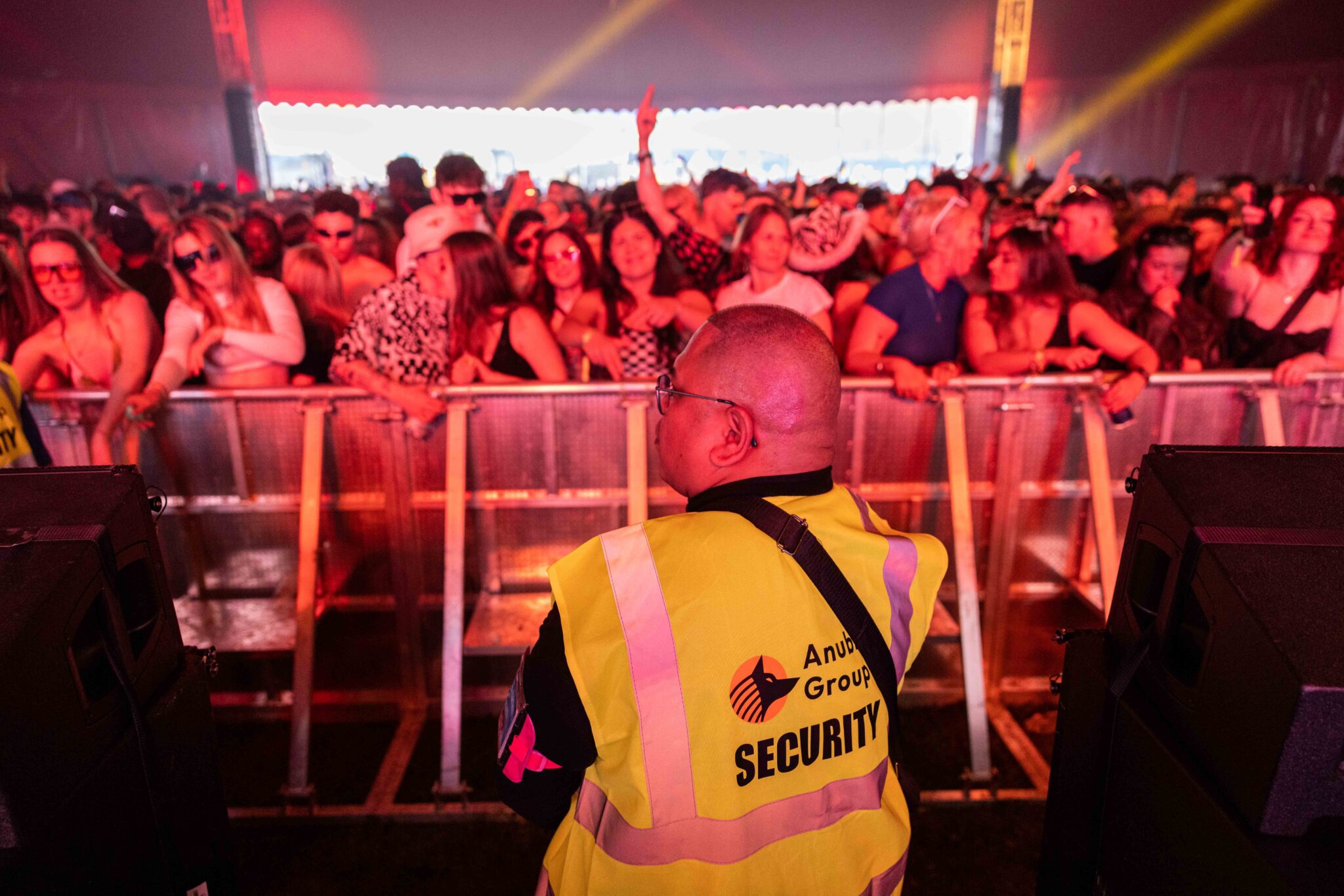
The Role of Crowd Managers, Training, and Equipment
Crowd managers are individuals designated to oversee crowd safety, often required by regulation when attendance exceeds specific thresholds. Crowd management techniques include using trained security personnel who understand crowd dynamics, communication, and decision-making under pressure.
Typical training covers a 3–5 day programme including legal duties, risk assessment procedures, use of barriers, radio etiquette, conflict de-escalation, and emergency response. Training staff on emergency response improves crowd safety and equips participants to recognise early warning signs of distress.
Key tools include radios, body-worn cameras, CCTV control room feeds, people-counting sensors, loudhailers, and digital incident-logging apps. Stewards, security officers, ticketing staff, and medical teams work under or alongside crowd managers – regular briefings and debriefs are essential for success.
After each event, crowd managers review incidents, near-misses, and density data to update the crowd management plan. This feedback loop is what turns good organization into continuously improving crowd safety.
Preventing Crowd Disasters: Lessons, Legal Duties, and Best Practice
Serious crowd incidents are almost always preventable. The warnings are there – near-misses, complaints, visible bottlenecks – but they get ignored.
Recurring lessons from past disasters include:
- Overcapacity beyond safe flow and egress limits
- Blocked or locked exits
- Inadequate stewarding and untrained staff
- Poor or delayed communication to attendees and responders
- Ignoring early signs of crowd distress
Organisers and venue operators carry legal responsibilities under health and safety, fire, and licensing laws. These duties require reasonably practicable measures: safe routes, appropriate staffing, tested emergency procedures, and a written emergency plan. Effective crowd management minimizes risks of overcrowding and panic when these measures are embedded into operations.
Best practices include conservative capacity limits, tested evacuation drills, redundant power for PA systems, clear alcohol policies, and coordination with transport providers. For complex or historic venues, simulations and digital twins allow organisers to test evacuation times and people flow before the event takes place. These approaches benefit the well being of every participant.
A safe and secure environment depends on culture as much as documentation. Staff must feel empowered to raise concerns, pause activities, and stop operations. A secure environment is built by people who treat near-misses as seriously as actual incidents – and who act on every lesson learned.
FAQ: Crowd Management and Crowd Safety
Below are answers to common practical questions about managing crowds safely.
What is the difference between crowd management and crowd control in simple terms?
Crowd management is planning and guiding people so problems do not occur – designing good entry routes, setting capacity, briefing staff. Crowd control is what you do once there is already a safety or order issue – closing a gate, redirecting groups, or deploying police. One is about prevention through event planning; the other is about response. Both are essential, but management should always come first.
At what crowd density does a situation become dangerous?
Risk increases gradually. At around 1–2 people per square metre, movement is comfortable. At 3–4, it becomes constrained. Above approximately 4–5 people per square metre, individuals can lose control of their movement and face crushing forces. Even at lower densities, risk spikes at bottlenecks, slopes, and where movement in opposite directions clashes. Organisers should design general movement areas for comfortable densities around 1–2 per m².
Who is legally responsible for ensuring crowd safety at an event?
Primary responsibility usually sits with the event organiser and venue operator, who must comply with local legislation and licensing conditions. They typically appoint a safety officer or crowd safety manager to coordinate planning, but legal duties cannot be completely delegated. Local authorities, police, and fire services may impose additional requirements through permits. All parties involved share aspects of accountability.
How early should I start crowd management planning for a large event?
For major events with tens of thousands of attendees, start 6–12 months in advance – covering venue design, stakeholder engagement, and simulations. For smaller events of a few hundred to a few thousand participants, begin structured planning at least 8–12 weeks ahead. Any late changes to layout or schedule must trigger a fresh review of crowd safety and egress. Organizing without adequate lead time is one of the most common failures.
Do I always need professional crowd managers, or can existing staff handle it?
For small, low-risk events, existing staff can manage crowds if they receive targeted training and follow a written plan. For higher-risk events – standing concerts, sports derbies, New Year’s celebrations, religious pilgrimages – dedicated, trained crowd managers are strongly recommended and may be required by law or insurers. Assess risk factors such as expected numbers, alcohol, guest demographics, and venue complexity before deciding.